
About Jesse Zalk

My Name is Jesse Zalk. I live in San Jose with my mother, father, and dog that is cuter then Colin's. The rest of my family lives in Israel, and we visit them around once a year. Sometimes they fly out but very rarely. Most of the time though I'm in San Jose.

Gardening isn't a huge part of my life but I definitely have participated in it in the past. In the back yard of our house my mom would grow various plants, such as kale, asparagus, and celery, along with a lemon tree. In the front we grow Asian Pears, which spring ever summer and are very delicious. While we still grow the Asian Pears, a lot of our pseudo-gardens have been abandoned. But the past memories I have growing and watering the plants with my family are good ones.

The person in my life that I've always associated with gardening is my mother. It was her idea to start a garden, and was always involved in those things. She was the one always tending to the gardens and such. Now the garden isn't exactly thriving, but whenever I do anything related I always think of her.

Also Brussel Sprouts are DELICIOUS and you're incorrect if you think otherwise
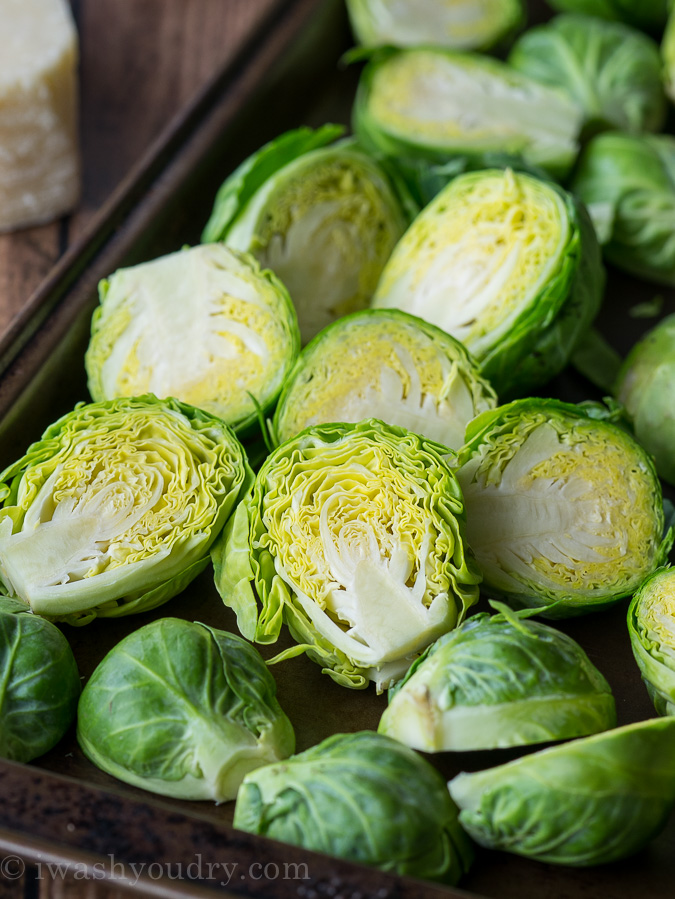
Click here for my favorite recipe!
Click here for a photo of me!

Comments

Popular posts from this blog

Blog Post #8- A Matter of Selection (Colin McCombs)

W hile studying our   Brassica oleracea plants in the   WGHS GOLD Main Garden me and my team discovered and observed a lot about the plants. We found that the shape size and texture of the different plants varied in the garden the most. Some of the plants had smooth thick ruffled leaves, some had hairy ruffled leaves ,and some had hairy flat leaves. All of the leaves also varied in size along with texture and collected this data by observing and taking measurements from the Brassica oleracea in the garden.  This is a picture of the plant #1 leaf. From the picture you can see that this leaf is very smooth and thick and doesn't have any hairs or spines. It is a lighter green color with a blue hue and is very ruffled especially around the plant leaves edges. We measured the length of this leaf and it came in at 13.3 cm which is bigger than some of the plants but not as big as the ones you will see later. This is a picture of the plant #2 leaf. This leaf is very ...

Blog Post #6

1) My groups plant has been getting larger and growing over the course of the past few months. It has been preforming the process of photosynthesis to add biomass and the amount of resources available to the plant. Photosynthesis is one of the main ways a plant comes to thrive in it's environment, this is when plants take sunlight to convert CO2 into O2 and high energy sugar. Despite the fact that it's winter right now and the sun isn't out as much, our plants have still been able to take the available light energy and use it in photosynthesis. Another big process that is occurring to allow our plants to grow is known as Mitosis. Mitosis is the replication and division of cells inside a living organism to allow that organism to grow and stay healthy. Mitosis is also vital to allowing space for new cells to take up a spot in the organism, as the organisms grow and mature they'll need more cells to keep up with the rapid advances in size and functions. This is made especi...

Blog post #7

Fertilization occurs in flowering plants through the process of fertilization. The center of the flower has long thin filaments with anthers at the top. This is called the stamen. Four pollen sacks are located in the plants anthers which contain MMCs, Micro Mother Cells. Each of the pollen sacks produces eight pollen grains, the sperm cells from the MMC. Once the pollen grains inside each of the sacks are ready the anthers will burst open vomiting the sticky pollen onto the flowers stamen in a process called dehiscence. The flowers bright colorful pedals lure insects inside to drink its nectar, located at the flowers base. Once the insects climb into the flower the sticky pollen from the anthers gets stuck on its feet, legs, or body. In the process of cross pollination the insect that collects this sticky pollen will transfer it to another flower pollinating it in the process. In the process of self pollination the pollen will be moved from the stamen to the pistol/carpal of the flowe...